 Reviews

 Proudly American

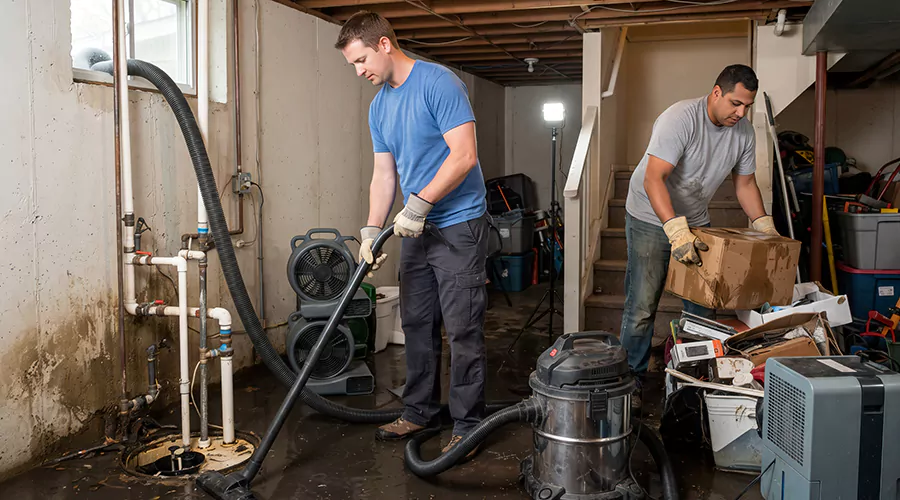
Sewage cleanup cost typically ranges from $2,000 to $7,000 in 2026, with many contaminated-water projects priced around $7 to $15 per square foot. A small contained backup may cost about $2,000 to $4,000. A flooded basement can reach $4,000 to $10,000 or more before major reconstruction.
The final price depends on how much sewage entered the property and what materials it touched. Porous materials can raise the bill because contaminated drywall or carpet padding often cannot simply be dried and reused.
What is Included in Sewage Cleanup Cost?
A standard flood cleanup estimate usually covers extraction and sanitation before structural drying begins. Material removal may be included when sewage has soaked porous finishes. Reconstruction is often priced separately, so two estimates can look very different even when they cover the same loss.
Common charges can include:
- Initial inspection
- Sewage water removal
- Material removal
- Surface cleaning
- Disinfection
- Drying equipment
- Moisture monitoring
- Waste disposal
A complete sewage clean up becomes more expensive when flooring or drywall must be rebuilt after the contaminated area is dry.
How Much Does Sewage Cleanup Cost per Square Foot?
Professional cleanup commonly runs about $7 to $15 per square foot in 2026. This range reflects the added precautions required for highly contaminated wastewater. Larger affected areas increase extraction time and the amount of material that may need disposal.
| Affected Area | Estimated Cleanup Range |
|---|---|
| 100 sq. ft. | $700 to $1,500 |
| 250 sq. ft. | $1,750 to $3,750 |
| 500 sq. ft. | $3,500 to $7,500 |
| 750 sq. ft. | $5,250 to $11,250 |
These figures are useful for early budgeting. Minimum charges or repair work can push the final total higher.
How Does the Size of the Backup Affect Cost?
A small bathroom backup usually costs less than wastewater spread across several finished rooms. Current 2026 planning data places small contained jobs near $2,000 to $4,000. Larger basement incidents can exceed $10,000 when contaminated finishes need removal and replacement.
| Scope | Typical 2026 Planning Range |
|---|---|
| Small contained backup | $2,000 to $4,000 |
| Moderate affected area | $2,000 to $7,000 |
| Flooded basement | $4,000 to $10,000+ |
| Extensive damage | More than $10,000 |
Sewage backup cleanup costs more once wastewater reaches wall cavities or finished flooring.
Why Does Sewage Cleanup Cost More Than Clean Water Removal?
Sewage contains biological contamination, so cleanup involves more than pumping water and running fans. Protective equipment is needed during contact with contaminated water. Porous materials may also require disposal rather than ordinary drying.
The CDC advises wearing rubber boots and gloves when sewage is involved, along with eye protection. It also recommends removing drywall or insulation contaminated by sewage when those materials cannot be safely cleaned and dried.
Raw sewage cleanup cost therefore depends heavily on what the wastewater touched rather than water depth alone.
What Makes Basement Sewage Cleanup More Expensive?
Basements often cost more because wastewater can spread across a large area before anyone notices the backup. Finished basements also contain absorbent materials that increase disposal and reconstruction costs.
Basement sewage cleanup cost rises when:
- Several rooms are affected.
- Carpet padding is contaminated.
- Drywall absorbs wastewater.
- Insulation becomes wet.
- Cabinets swell near the floor.
- Standing sewage remains for hours.
Sewage cleanup in basement spaces can also require pumping when drains cannot remove the standing wastewater.
Can Waiting Increase the Cost?
Yes. Delayed cleanup can allow wastewater to move farther into walls or flooring. Materials that might have avoided contact during a fast response can become contaminated as water spreads.
The CDC recommends drying flooded buildings within 24 to 48 hours when possible because prolonged dampness raises mold concerns. Contaminated drywall or insulation also needs different handling than materials exposed to clean water.
Emergency sewage cleanup may carry an after-hours premium, but delaying removal can increase the repair scope.
How Can You Estimate the Cost Yourself?
You can make an early budget estimate by measuring the affected floor area. Multiply the room length by its width, then apply the $7 to $15 per-square-foot planning range. Add likely repair costs separately.
For example:
- A room measures 20 feet by 15 feet.
- The affected area is 300 square feet.
- Multiply 300 by $7 for the low estimate.
- Multiply 300 by $15 for the high estimate.
- The preliminary range is $2,100 to $4,500.
This method estimates cleanup. It does not automatically include sewer-line repairs or reconstruction.
When Should You Call a Professional?
Professional sewage cleanup is appropriate when wastewater covers a significant area or reaches porous materials. Electrical exposure is another reason to stay out of the affected space. Standing sewage can contain harmful contamination that makes ordinary household cleanup unsafe.
Consider professional help when:
- Sewage covers several rooms.
- Wastewater reaches electrical components.
- Drywall or insulation is contaminated.
- The backup affects a finished basement.
- Contamination reaches a crawl space.
- Mold is already visible.
- The source cannot be stopped.
Sewage damage cleanup may require controlled material removal before the remaining structure is cleaned and dried.
Does Insurance Cover Sewage Cleanup?
Coverage depends on the policy and the cause of the backup. Sewer or drain backup coverage is commonly offered as an optional homeowners insurance add-on. Policy limits can differ, so coverage should be checked before assuming the cleanup will be reimbursed.
Photograph the damage before cleanup when it is safe. Keep invoices and records connected to the loss.
How Can You Reduce Future Sewage Backup Costs?
Prevention focuses on lowering the chance that wastewater reaches finished areas. Drain problems should be investigated before repeated backups occur. Backflow devices can also reduce risk in some plumbing systems.
Useful preventive steps include:
- Investigate recurring slow drains.
- Avoid flushing unsuitable materials.
- Maintain septic systems on schedule.
- Keep basement belongings above floor level.
- Consider a sewer backflow device where appropriate.
- Review sewer-backup insurance coverage.
Conclusion
Sewage cleanup typically costs $2,000 to $7,000 in 2026, with many projects running about $7 to $15 per square foot. Basement backups and contaminated porous materials can push the total above $10,000. Costs rise when wastewater reaches walls or flooring. If a large area or electrical equipment is affected, professional assessment can help define the safe cleanup scope.
Frequently Asked Questions
How much does a small sewage backup cost to clean?
A small contained backup commonly costs about $2,000 to $4,000 in 2026. Porous material damage can raise the total.
How much does a sewage-filled basement cost to clean?
A flooded basement can cost about $4,000 to $10,000 or more. Extensive rebuilding can push the price higher.
Is sewage cleanup charged by square foot?
Often. A common 2026 planning range is about $7 to $15 per square foot.
Does sewage cleanup include new drywall?
Not always. Cleanup may cover removal while replacement is priced as reconstruction.
Can homeowners insurance pay for a sewer backup?
It can when the policy includes applicable sewer or water-backup coverage. Terms differ by insurer and policy.
Is cleanup more expensive if sewage sits overnight?
It can be. Longer exposure can increase the amount of contaminated material that must be removed.